
40 Passenger Bus for Convention in NYC
Getting a convention group around New York City is a different transportation challenge from an ordinary sightseeing day. Attendees may arrive from different places, follow a tight conference schedule, and need transportation between hotels, meeting venues, restaurants, networking events, and off-site activities. A 40 passenger bus for a convention in NYC offers a practical middle ground for groups that are too large for several cars but do not necessarily need a full-size motorcoach.
The value of a group vehicle becomes especially noticeable when the convention itinerary has several moving parts. Instead of asking every attendee to find their own route, an organized bus can provide a common meeting point and a shared travel plan. That can make hotel-to-venue transfers, evening functions, and scheduled group movements easier to coordinate.
Related NYC Transportation Resources
Different convention groups have different transportation requirements. The following related resources can be useful when comparing private buses, executive transportation, group travel, and other NYC transportation options.

Private Bus Rental in NYC
A related resource for groups looking at private transportation options for conferences, events, and organized travel.
View Resource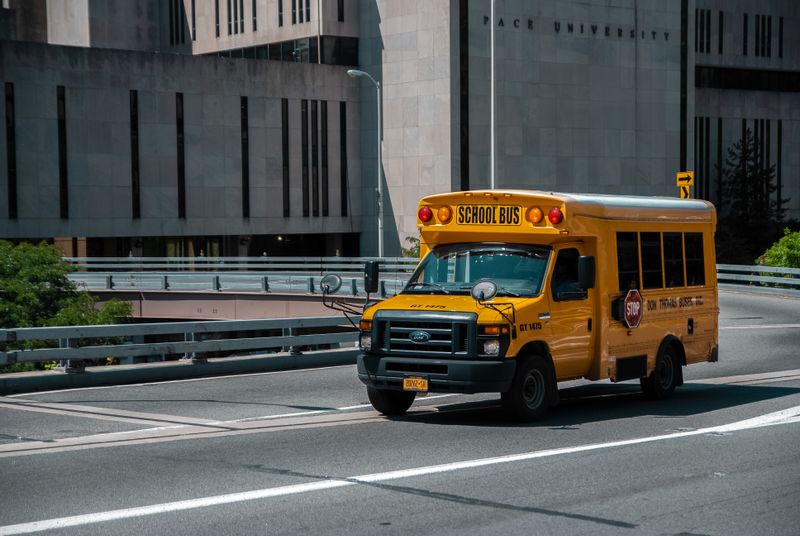
Group Transportation NYC
Explore another resource covering transportation considerations for organized groups traveling around New York.
View Resource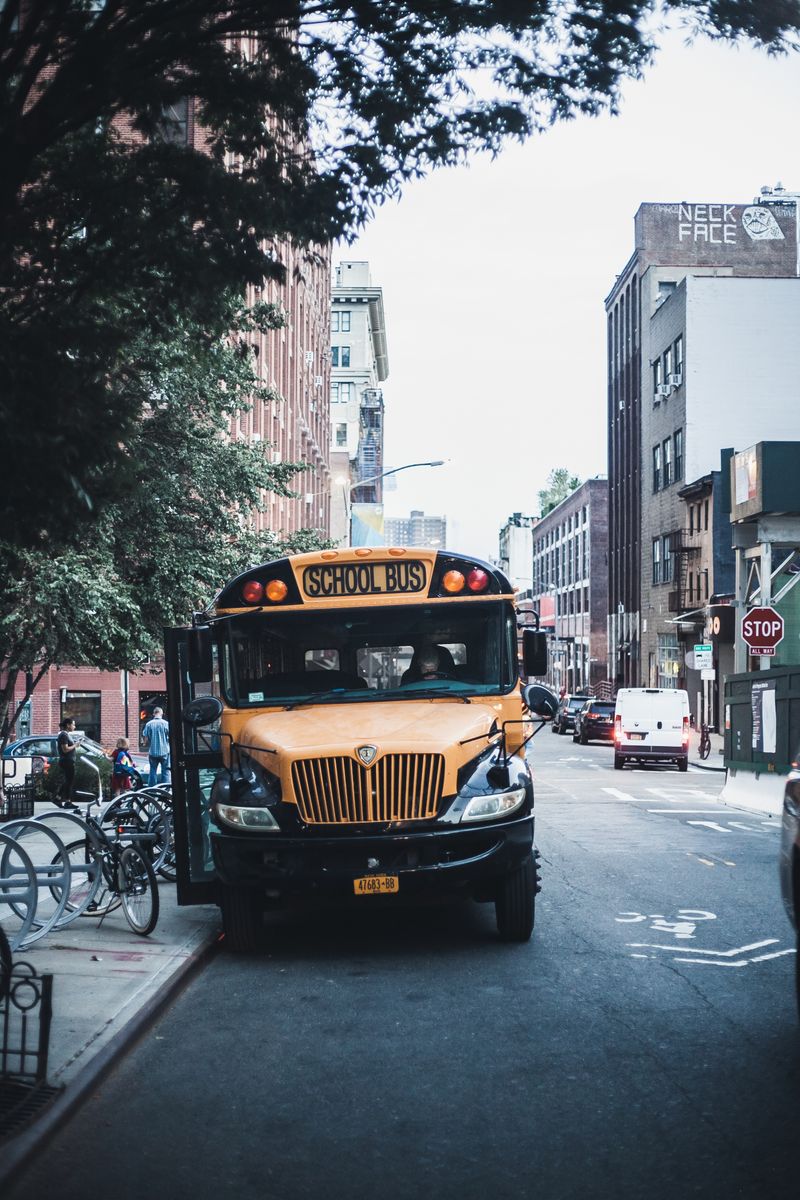
School Group Transportation
Useful for organizations and educational groups comparing larger group transportation arrangements.
View Resource
Executive Charter Bus NYC
A supplementary resource for corporate travelers, convention attendees, and professional groups.
View Resource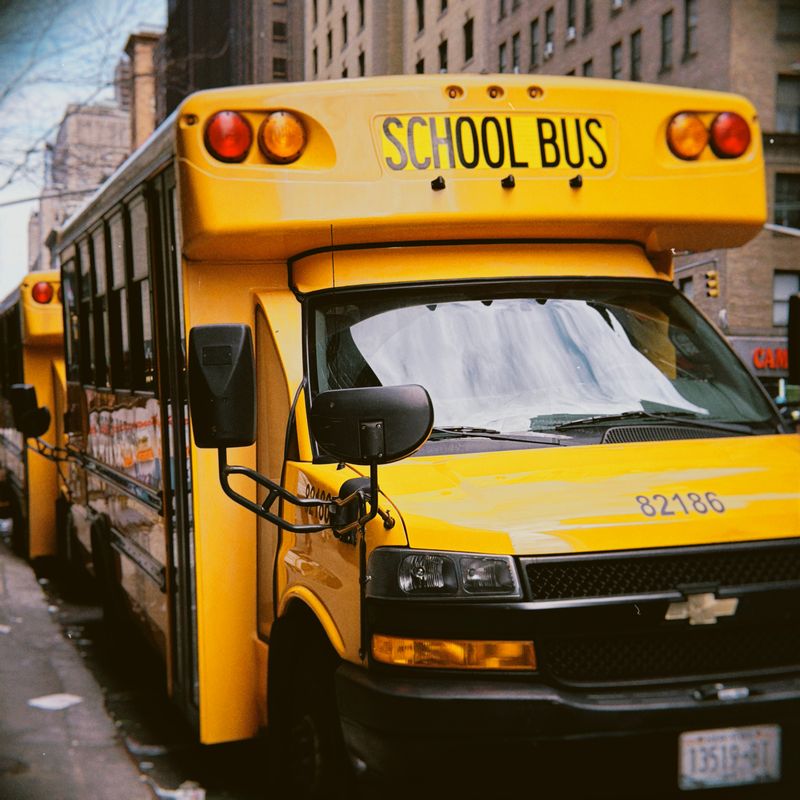
Luxury Charter Bus Rental
Consider this related resource when a convention itinerary calls for a more polished group transportation experience.
View Resource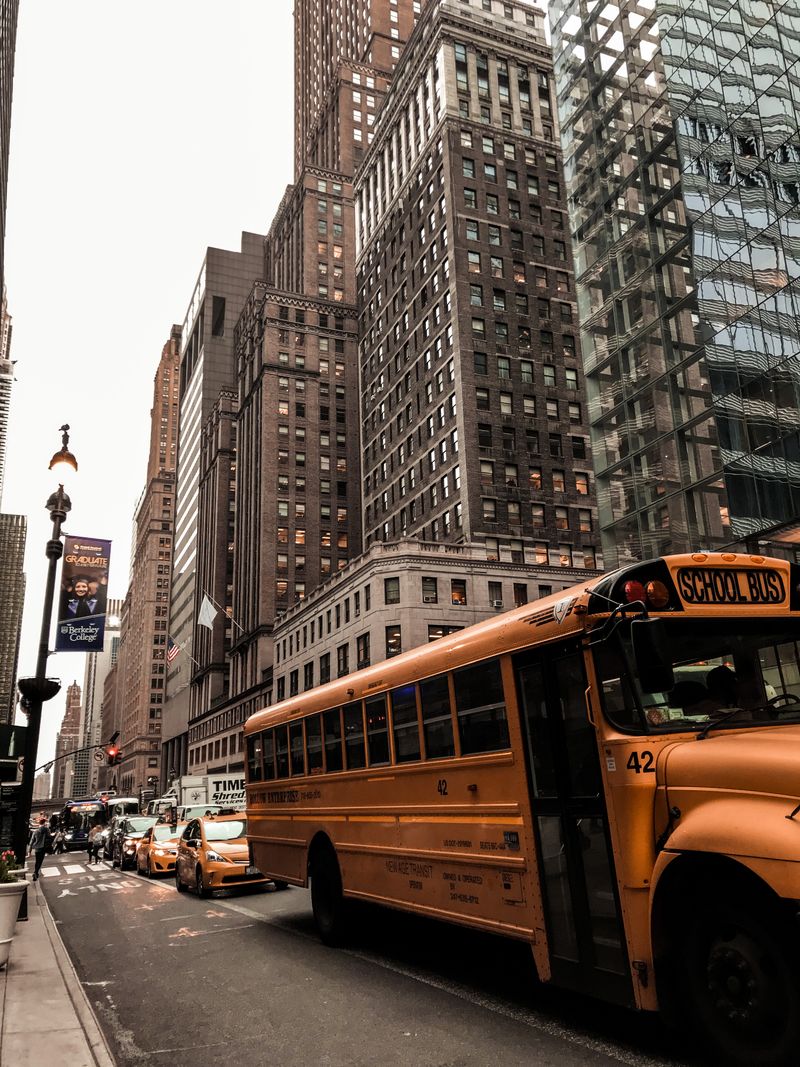
NYC Party Bus Rental
A related option to explore for evening celebrations and social events connected to a convention schedule.
View Resource
Minibus Rental for Groups
Another resource for comparing smaller group transportation arrangements in New York.
View Resource
Group Transportation Information
Review another group transportation resource when building a multi-stop NYC convention itinerary.
View ResourceWhy Choose a 40 Passenger Bus for a Convention?
Convention transportation is largely about coordination. When dozens of attendees have similar arrival and departure times, a shared bus can create a predictable structure for the day. One designated vehicle can move a group between selected locations while the event organizer works from a single transportation plan instead of trying to manage numerous individual rides.
□
Keep the Group Together
A 40-passenger vehicle can bring a substantial portion of a convention group together for scheduled transfers.
□
Work Around the Agenda
Transportation can be organized around registration, keynote sessions, workshops, networking events, and evening functions.
□
Hotel Transfers
A planned pickup arrangement can simplify transportation between participating hotels and convention venues.
□
Multiple NYC Stops
Groups can organize transportation around several planned destinations rather than arranging separate rides for each stop.
Where Can a Convention Bus Go in NYC?
The destination list depends on the event schedule, but convention transportation frequently involves more than the primary meeting venue. A group might need transportation from a hotel to a convention center in the morning, followed by an evening dinner, networking reception, or private event.
- Jacob K. Javits Convention Center and nearby meeting venues
- Manhattan hotels and corporate meeting locations
- Midtown business districts
- Lower Manhattan event venues
- Restaurants hosting convention dinners
- Museums and cultural attractions
- Airports and designated hotel pickup locations
- Off-site corporate events and networking venues
- Sports and entertainment venues
40 Passenger Bus vs. Smaller Vehicles
Choosing the right capacity is easier when the organizer looks beyond the headline passenger number. The best solution depends on attendance, the number of stops, luggage or display materials, accessibility requirements, and how tightly the event schedule is organized.
| Transportation Option | Best Fit | Planning Consideration |
|---|---|---|
| 40 Passenger Bus | Medium-to-large convention groups | Useful when many attendees need coordinated transportation. |
| Smaller Minibus | Smaller teams or executive groups | Can be appropriate when attendance is well below 40 passengers. |
| Multiple Vehicles | Groups with widely different schedules | May offer flexibility but requires additional coordination. |
How to Organize Convention Bus Transportation
A convention transportation plan becomes much easier to execute when the details are written down before the event. Rather than treating transportation as an afterthought, organizers can build the bus schedule alongside the conference agenda.
Estimate the Actual Passenger Count
Include attendees, speakers, staff, organizers, and anyone else who will use the vehicle.
Map the Important Locations
List hotels, convention venues, restaurants, airports, and other destinations that may require group transportation.
Match Transportation to the Agenda
Identify when attendees need to arrive, depart, transfer between venues, or return to their hotels.
Allow Time for NYC Traffic
Travel times can vary considerably. Building reasonable buffers into the schedule can help prevent one delayed transfer from affecting the rest of the itinerary.
Confirm Special Requirements
Discuss accessibility, equipment, luggage, signage, pickup instructions, and other group-specific requirements in advance.
Convention Transportation Is About More Than Seats
A bus may have enough seats on paper and still be a poor match for a convention itinerary. For example, a group carrying presentation materials or promotional equipment may have different requirements from a group traveling with nothing more than personal bags. Likewise, a multi-hotel pickup schedule can require more planning than a single hotel departure.
For that reason, organizers should communicate the complete itinerary rather than simply asking for a particular vehicle size. Passenger capacity is important, but the route, timing, pickup locations, accessibility needs, and type of event all influence which transportation arrangement makes sense.
Tips for a Smoother NYC Convention Transfer
- Give attendees one clearly communicated meeting location.
- Publish pickup times before the convention begins.
- Use the same terminology for each hotel and venue throughout the itinerary.
- Keep a current passenger or attendee list when appropriate.
- Allow extra time around major conference sessions.
- Confirm loading and unloading instructions for each major stop.
- Tell the transportation provider about unusually large equipment or baggage.
- Have an event contact available to coordinate transportation on the day.
A Practical Way to Think About Capacity
The phrase “40 passenger bus” describes capacity, not the entire transportation solution. A successful convention plan considers how many people are traveling, where they need to go, when they need to arrive, and what they will carry. Starting with those details makes it easier to determine whether a 40-passenger vehicle is the appropriate fit for the event.
Frequently Asked Questions
Is a 40 passenger bus suitable for a convention in NYC?
It can be suitable for medium-to-large convention groups that need coordinated transportation between hotels, venues, restaurants, and other scheduled locations.
Can a convention bus make multiple stops?
Multi-stop itineraries can be planned, although the route and timing should be discussed in advance so the schedule is realistic for NYC traffic and venue access.
Should convention organizers book exactly 40 seats?
Not necessarily. Organizers should count every expected rider and discuss the actual passenger capacity and vehicle configuration with the transportation provider.
What information should be ready before arranging transportation?
Have the approximate passenger count, pickup locations, destinations, dates, timing, luggage or equipment requirements, accessibility needs, and overall itinerary ready.
Transportation requirements, venue access rules, traffic conditions, and event procedures can change. Convention organizers should confirm current arrangements and venue-specific instructions before the event.
